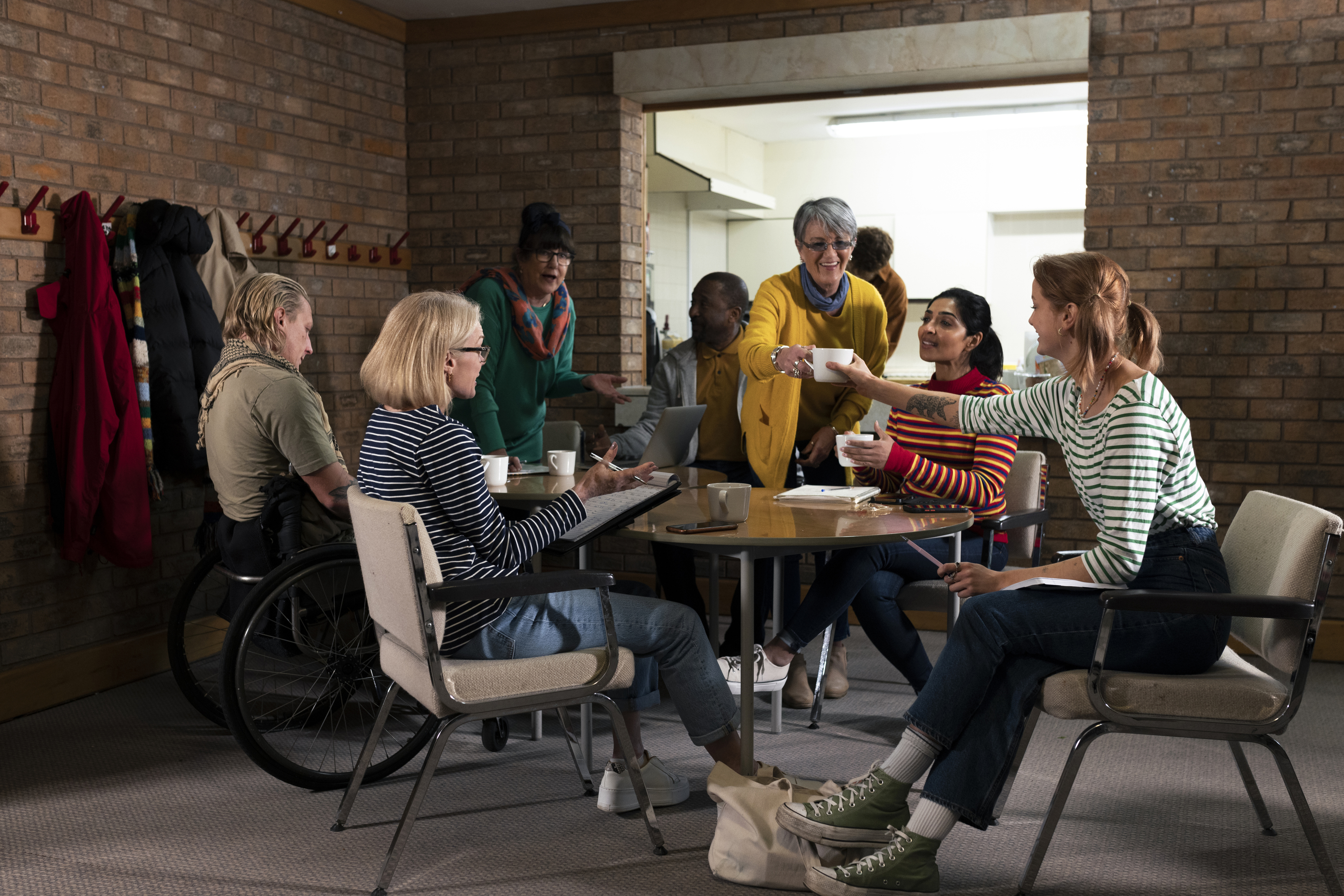
PWdWA implements various community-based initiatives aligned with our strategic priority to empower individuals with disabilities and communities. These projects encompass activities such as informing and empowering people with disabilities to advocate for themselves, collaborating with businesses to enhance accessibility and employment opportunities for young individuals with disabilities, and mobilising communities to recognise and eliminate barriers faced by people with disabilities in their surroundings.
The Community Disability Advocacy Project aimed to enable community-driven solutions to address local issues affecting people with disabilities. Each local community defined the issues and solutions, with actions focusing on the rights of people with disabilities to self-determination, choice, and control.
The purpose of this project was to support communities to come together as Networks to help empower and advocate for people with disabilities living in their local areas. Networks were supported as agents of change through the provision of a toolkit that outlined structured activities and guidelines, funding and administrative support, and training and upskilling as required. This enabled Networks to connect to local stakeholders and the broader community and develop strategies and initiatives to address issues impacting people with disabilities.
For more information, visit Community Disability Advocacy Project, community driven solutions addressing local issues.
Funded by Department of Communities, this project was completed in December 2023.
Self Advocacy WA (SAWA) is a group run by and for people with intellectual disability. SAWA’s mission is to provide peer support and promote self-advocacy for people with disability in Western Australia. SAWA was one of the first self-advocacy groups to be established in the 1980s during the self advocacy movement and closure of large institutions across Australia.
SAWA’s activities include:
If you would like to know more, visit the SAWA Facebook page.
Funded by the Department of Social Services, this project was completed in July 2024. Alike WA now provides support and assistance to SAWA.
The Empowered and Connected Project was a transformative initiative aimed at enhancing the knowledge, skills, and confidence of individuals with disabilities. The project’s primary objective was to equip individuals with the necessary tools to lead fulfilling lives by providing them with resources, workshops, and support. With a focus on self-advocacy, information dissemination, and peer support, the project aimed to create an inclusive and empowered community.
A pivotal aspect of the project involved organising workshops that center around self-advocacy. These workshops delved into relevant topics such as NDIS Appeals and Access, Self-Advocacy, and government payments. By offering these workshops, PWdWA aimed to equip individuals with disabilities with the knowledge and skills necessary to navigate government services confidently.
Central to the project’s mission was the creation and dissemination of informative resources. Fact sheets addressing advocacy-related subjects were developed and made accessible through the PWdWA website. These resources allows the community to access crucial information that can aid them in navigating various challenges. Additionally, through a dedicated Facebook page catered to peer support group leaders, relevant information will be shared to strengthen the groups.
The project recognised the significance of peer support in fostering a sense of community and empowerment. Through collaborations with key peer support organisations these partnerships ensured peer support groups across the state receive effective and sustainable assistance. By leveraging the expertise and resources of these organisations, the project provided comprehensive support that extends beyond workshops and information dissemination.
Funded by Department of Communities, this project was completed in July 2024.
This projects objective was to co-design with people with disability on all aspects of policy, services, and facilities intended for use by people with disability.
The aim was make co-design a valued component of business rather than a compliance consideration. The results were:
The research and design of the model included active involvement from people with disability. It is important that through the co-design network, people with disability influence service design.
Resources were co-developed with both organisations and people with disability. The aim is that through this process, organisations will develop better co-design practice and find an easier connection with a diverse range of people with disability.
Funded by Department of Communities.
PWdWA sends out regular updates to all members and a monthly newsletter to keep you updated on campaigns and projects that we’re involved in.
If you would like to receive these updates, please subscribe to our newsletter.